
A discreet first sugar date should feel like a date, not an interview conducted under expensive lighting. The best plan is public, easy to understand and simple to leave or extend. Both people know where they are meeting, how long the first part will last and how they are getting home. With those details settled, attention can move to the person across the table.
Begin with the purpose of the meeting
The first date is not the moment to solve the entire future of a connection. Its job is smaller: confirm that the tone of your messages survives in person, notice whether conversation moves naturally and decide whether another meeting would be welcome.
That is why a defined first stage works well. Suggest coffee, one drink, a gallery visit or an early dinner rather than an open-ended night. Ninety minutes is enough to learn something meaningful without creating pressure. If you both want more time, you can order another course or walk somewhere nearby.
“I’ve enjoyed our conversation. Would you like to meet for a drink in the CBD on Thursday at 6? I was thinking somewhere quiet, and we can keep the first catch-up to about an hour.” The wording is specific, considerate and easy to answer.
Choose the venue by mood, not price
A high bill cannot rescue a room that is too loud, too exposed or too formal. Look for a public venue with attentive service, comfortable seating and enough background energy to prevent awkward silence. Check current opening hours and booking conditions directly before confirming, because hospitality details can change.
A CBD lounge for privacy without isolation
A reputable hotel lounge can work when you want polished surroundings and a table that does not feel rushed. Ask for seating away from the entrance or main bar traffic. Meet in the public lounge, not a guest room, and keep the first booking independent from any overnight plan.
North Terrace for conversation with a natural beginning
A gallery or museum visit gives you something to discuss immediately. Follow it with coffee or a drink only if the conversation deserves another chapter. This format suits people who find direct, face-to-face questioning intense and prefer to move while getting acquainted.
Glenelg or Henley for an easy coastal pace
An early drink near the coast followed by a short walk can feel relaxed and romantic. Choose a well-lit, populated route and keep weather in mind. Wind, heat or an unexpectedly cold evening can turn a beautiful idea into a test of endurance, so have a nearby indoor option.

Confirm the practical details before the day
A clear plan is one of the easiest ways to show respect. Send the venue name, street address and time. Ask whether the location works for the other person rather than assuming convenience. If a reservation is involved, use the name they are comfortable giving the venue.
- Transport: each person should control their own trip to and from the first meeting. Do not pressure someone to accept a lift or reveal a home address.
- Timing: agree on a start and an approximate finish. People with work, study or family commitments should not have to apologise for protecting their schedule.
- Food and alcohol: ask about dietary needs. Never treat drinking as a requirement, and notice whether the other person respects a non-alcoholic choice.
- Privacy: do not post photographs, tag a location or mention the date to others without permission.
A brief confirmation on the day is helpful: “Still good for 6 at the lounge? I’ll be in a navy jacket.” It reduces uncertainty without demanding constant messages.
Bring questions that reveal everyday compatibility
You do not need a list on the table. Two or three thoughtful prompts are enough to move beyond biography. Ask what a genuinely free Saturday looks like, which part of Adelaide they enjoy most, or what they are working towards this year. Listen for detail and ask a natural follow-up.
Questions about availability and preferred dating pace are also appropriate, but tone matters. “How do you like a connection to fit into your week?” feels more human than requesting a timetable. Share your own answer as well. A conversation should not require one person to disclose everything while the other remains mysterious.
Make comfort visible during the date
Small choices communicate more than a rehearsed speech. Dress for the venue rather than for a fantasy version of the evening. Put your phone away, learn the other person’s name pronunciation and do not order for them unless invited. If you suggested the venue, be ready to handle the booking smoothly without making the bill the centre of attention.
Keep physical contact responsive. A warm greeting does not create permission for the rest of the evening. Ask when unsure, read hesitation as a reason to pause and avoid jokes that test a boundary indirectly. Comfort often looks ordinary: enough personal space, an unhurried tone and no pressure to decide the future before dessert.
Also notice the balance of the conversation. If you have spoken for ten minutes about work, turn the focus back with a genuine question. If the other person seems nervous, choose curiosity over interrogation. You are not trying to uncover every detail; you are learning whether attention moves comfortably in both directions.
Pay attention to behaviour around boundaries
Charm is pleasant; response to a limit is more informative. Notice what happens if you decline another drink, choose not to discuss a private topic or say you need to leave at the agreed time. A considerate person accepts the answer and keeps the atmosphere comfortable.
Be cautious when someone pushes for a private location, asks for financial information, wants money or gift cards, becomes possessive before trust exists, or makes dramatic promises that do not match their actions. You can end the date politely, contact venue staff or a friend, and leave. Read the full dating safety guide before meeting anyone new.
End the evening clearly and follow up once
If you would like another date, say so without playing for advantage: “I had a lovely time. I’d like to see you again.” If you are unsure, thank them and give yourself space to think. If you know the fit is wrong, a short, respectful message is kinder than disappearing.
“Thank you for meeting me. I enjoyed getting to know you, but I don’t think the connection is the right fit for me. I wish you well.” No debate or detailed criticism is required.
A successful first date is not defined by how late it runs or how much is spent. It succeeds when both people had room to make choices, the conversation revealed something real and the next step is clear. Start there, then let Adelaide provide the view.
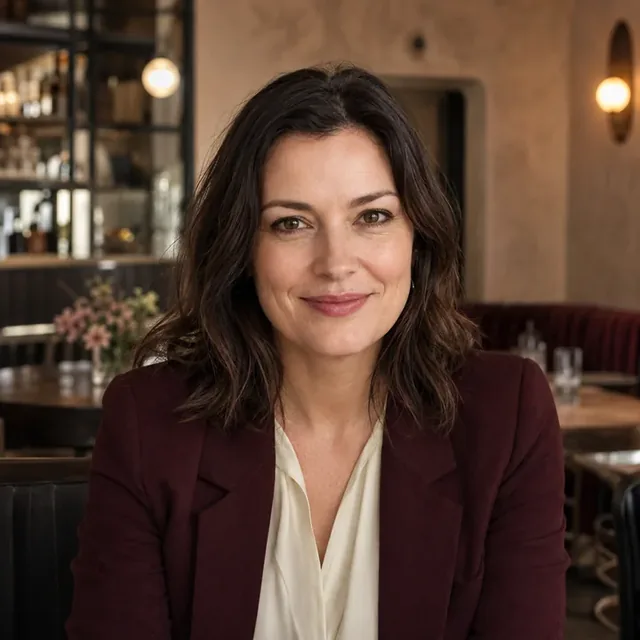
Sophie Laurent
Sophie Laurent is an Adelaide-based dating and lifestyle editorial pen name used by the Sugar Daddy Adelaide team. The column offers practical local guidance without presenting fictional experiences or private member stories as fact.